Python

Python's Hidden Gems: Packages and Patterns
Beyond mainstream packages like Pandas and Requests, Python boasts a rich collection of high-leverage utility libraries and modern patterns.
Adopting these lesser-known tools eliminates boilerplate code and boosts …TL;DR
TL;DR — Quick Summary & Key Takeaways

What's New in Python 3.14 and 3.15
Python 3.14 and 3.15 introduce architectural milestones that fundamentally improve multi-core performance and startup efficiency.
From free-threaded execution without the GIL to explicit lazy imports, modern …TL;DR
TL;DR — Quick Summary & Key Takeaways

Querying Precisely: Type-Safe GraphQL in Python with Strawberry
GraphQL replaces fixed REST payloads with client-driven queries, eliminating both over-fetching and under-fetching.
Strawberry brings modern Python type hints and dataclasses to GraphQL schemas, delivering …TL;DR
TL;DR — Quick Summary & Key Takeaways
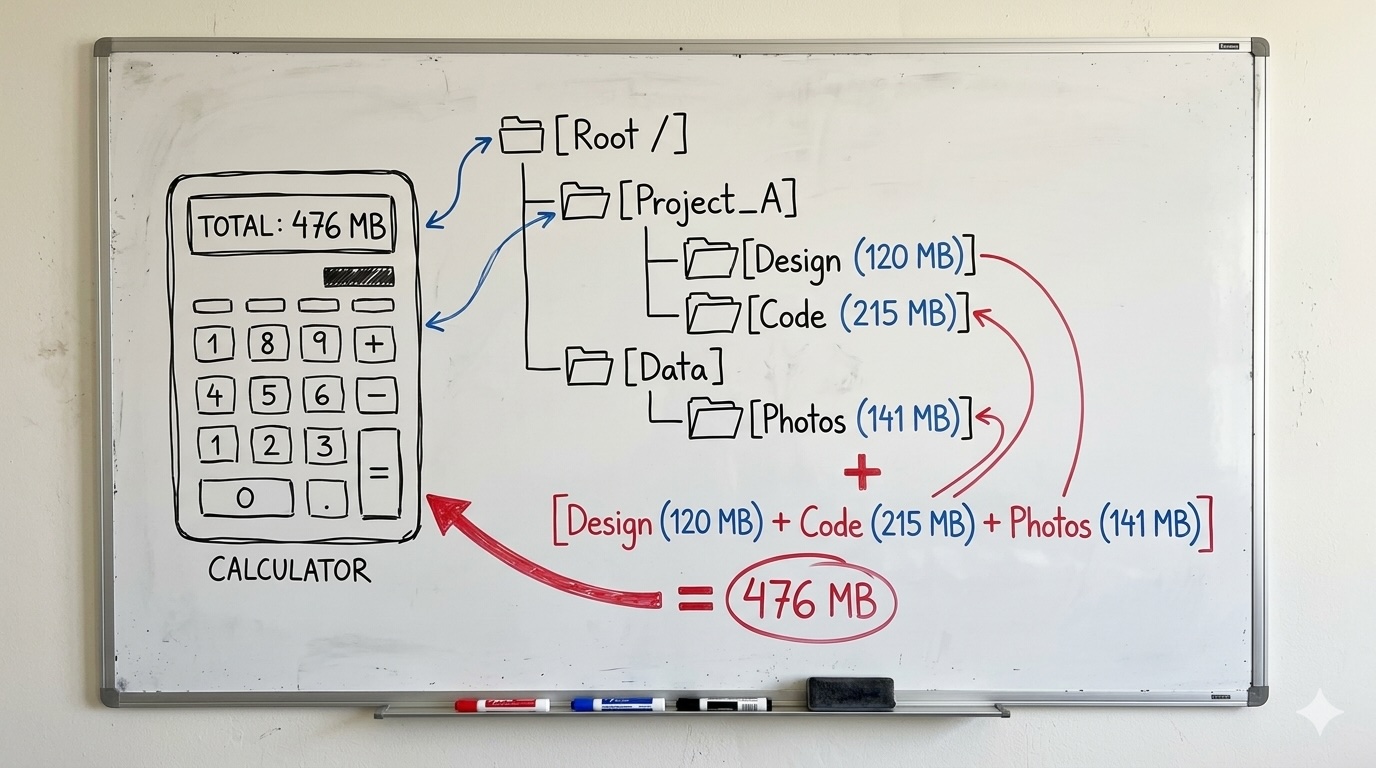
Connecting LangGraph Agents to FastMCP Servers
Combining LangGraph’s cyclical graph workflows with FastMCP decouples agent control flow from tool execution boundaries.
This architecture enables stateful, multi-step LLM reasoning with clean separation of …TL;DR
TL;DR — Quick Summary & Key Takeaways

From Insight to Production: Software Engineering Habits for Data Scientists
Transitioning from data science to software engineering requires shifting focus from exploratory notebooks to maintainable production architectures.
Adopting software engineering rigour elevates your code from …TL;DR
TL;DR — Quick Summary & Key Takeaways

Building Agentic System Tools with FastMCP and Python
The Model Context Protocol (MCP) standardises how AI assistants connect to external tools, databases, and local system resources.
FastMCP makes building and deploying custom Python MCP servers straightforward with …TL;DR
TL;DR — Quick Summary & Key Takeaways

Building Modern APIs with FastAPI and Python
FastAPI leverages Python type hints and Pydantic to deliver high-performance, asynchronous REST APIs with automatic OpenAPI documentation.
It eliminates boilerplate validation while ensuring robust error handling …TL;DR
TL;DR — Quick Summary & Key Takeaways
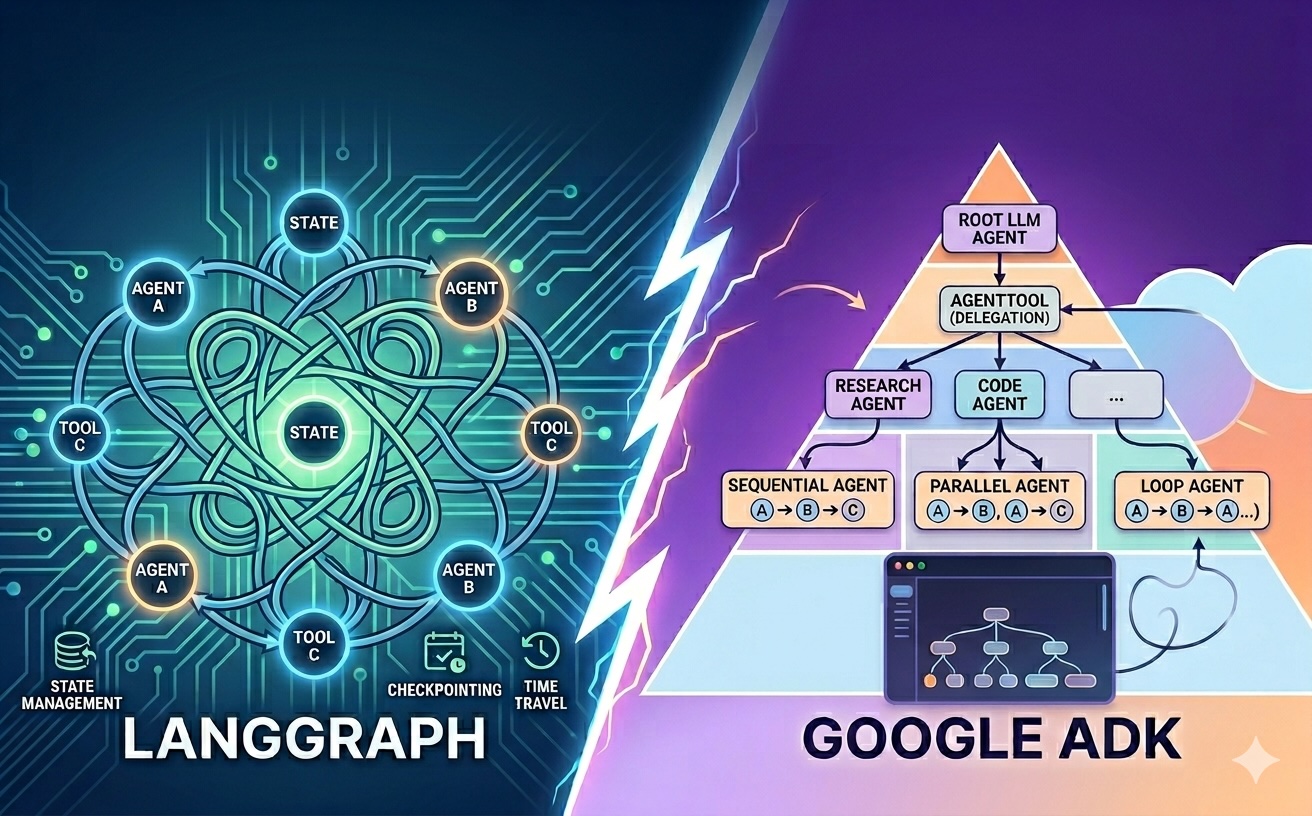
Beyond Graphs: An Introduction to Google's Agent Development Kit (ADK)
Google’s Agent Development Kit (ADK) introduces a hierarchical, code-first approach to building multi-agent AI applications.
By adopting an “agents all the way down” philosophy and providing a …TL;DR
TL;DR — Quick Summary & Key Takeaways

Streaming State and Tokens in LangGraph
Forcing users to wait for a complex, multi-node agent graph to finish executing leads to poor perceived latency and unresponsive UIs.
LangGraph’s streaming modes allow applications to stream intermediate …TL;DR
TL;DR — Quick Summary & Key Takeaways
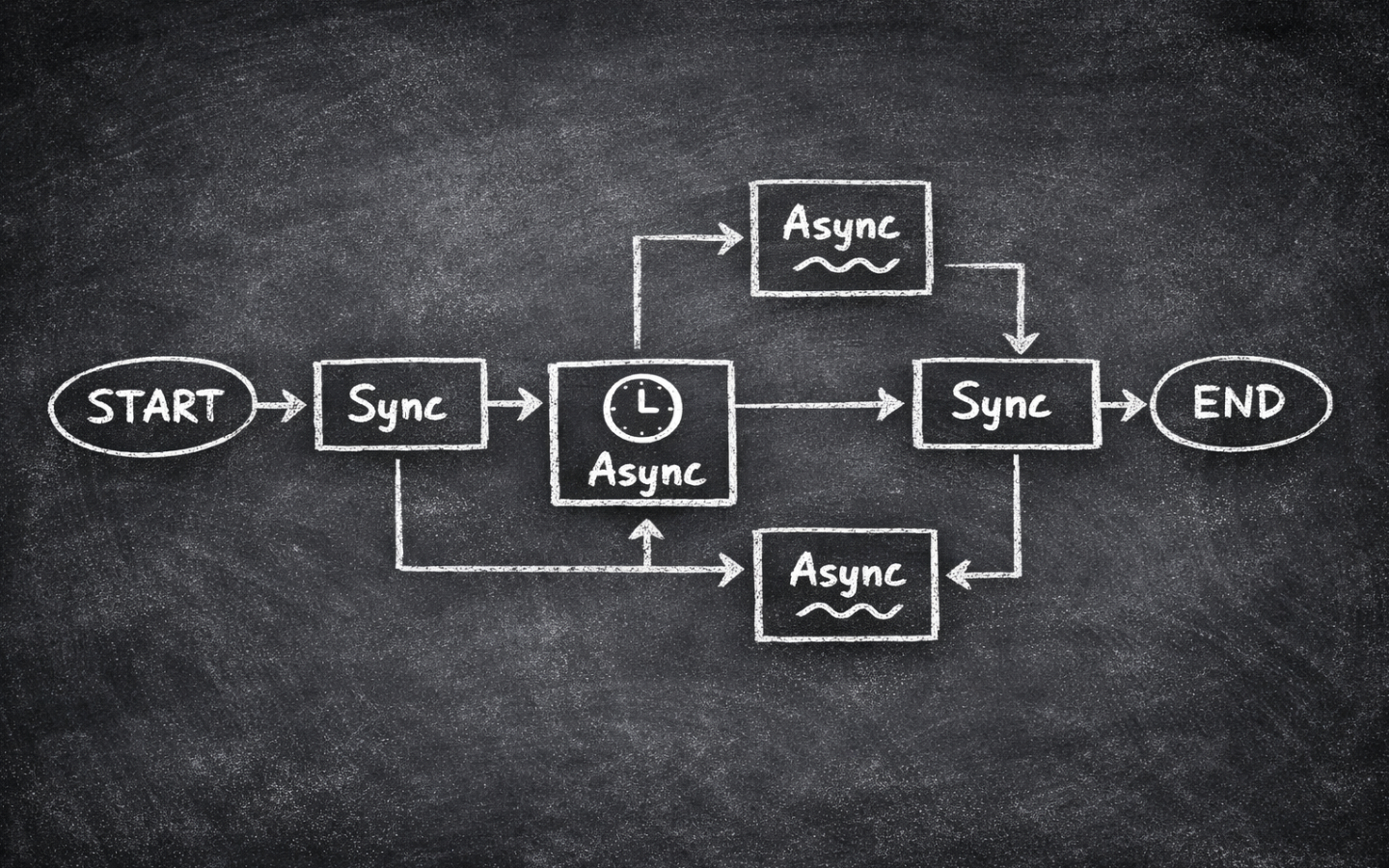
Using Async Effectively in LangGraph
Scaling LangGraph workflows for real-time web applications requires transitioning from synchronous graph calls to fully asynchronous execution.
Leveraging TL;DR
TL;DR — Quick Summary & Key Takeaways
ainvoke(), astream(), and async tool definitions unlocks …
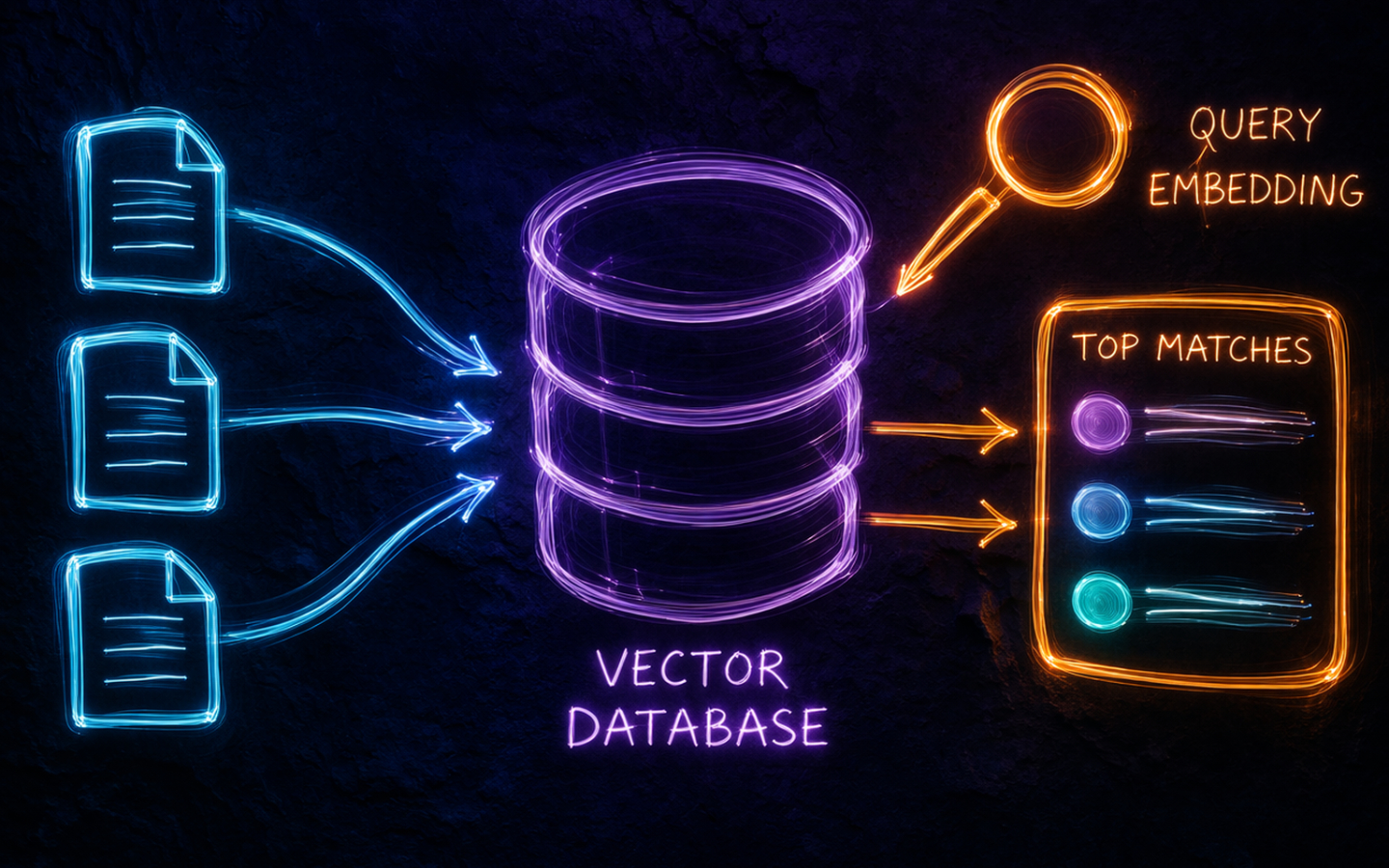
Vector Databases: What They Are and How To Use Them
When text embedding collections expand beyond simple in-memory arrays, brute-force linear search introduces severe latency bottlenecks.
Vector databases solve this challenge using approximate nearest neighbour …TL;DR
TL;DR — Quick Summary & Key Takeaways

Seven Tips for Performant Async Python
Sprinkling TL;DR
TL;DR — Quick Summary & Key Takeaways
async and await keywords across Python code does not automatically guarantee high performance or concurrency.
Avoiding common asynchronous pitfalls ensures your services handle heavy I/O loads without …