LangGraph
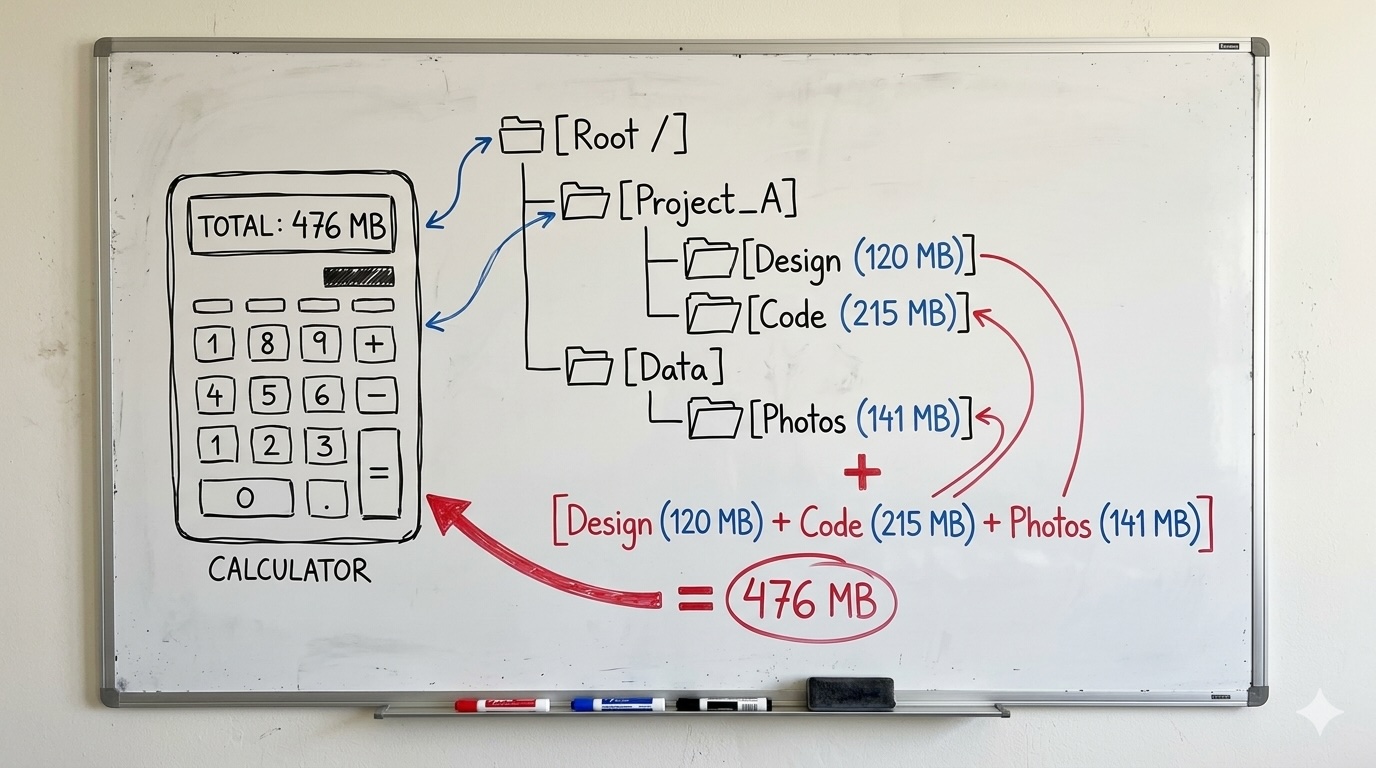
Connecting LangGraph Agents to FastMCP Servers
Combining LangGraph’s cyclical graph workflows with FastMCP decouples agent control flow from tool execution boundaries.
This architecture enables stateful, multi-step LLM reasoning with clean separation of …TL;DR
TL;DR — Quick Summary & Key Takeaways
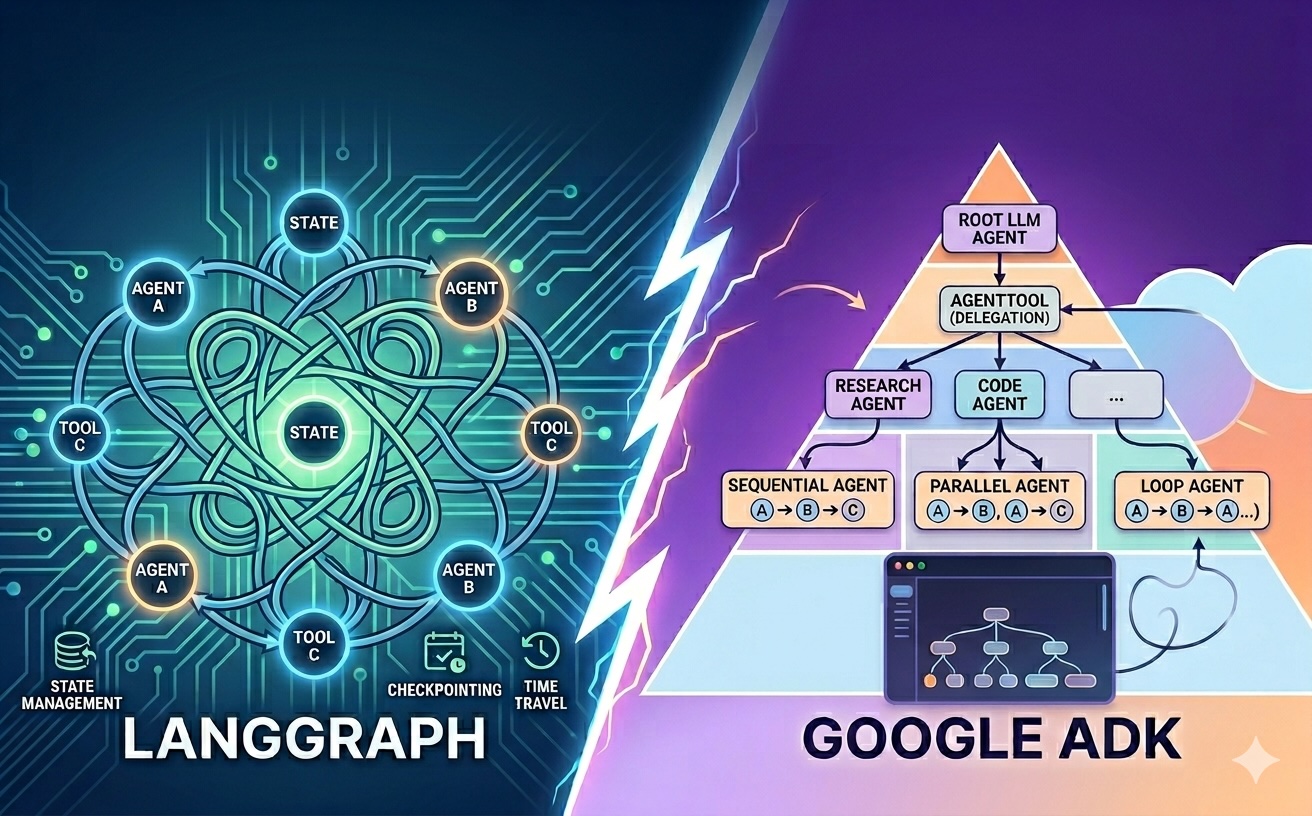
Beyond Graphs: An Introduction to Google's Agent Development Kit (ADK)
Google’s Agent Development Kit (ADK) introduces a hierarchical, code-first approach to building multi-agent AI applications.
By adopting an “agents all the way down” philosophy and providing a …TL;DR
TL;DR — Quick Summary & Key Takeaways
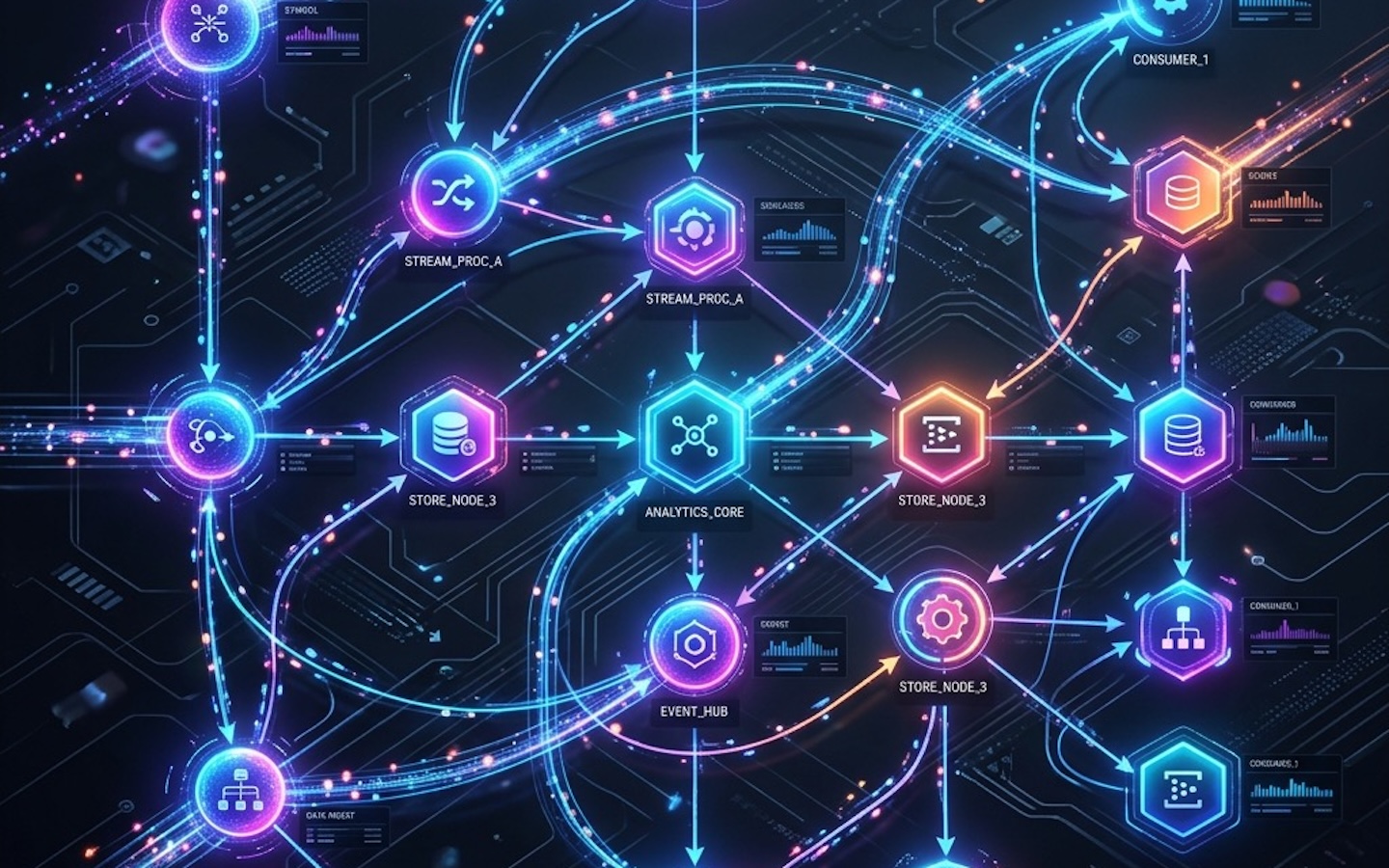
Streaming State and Tokens in LangGraph
Forcing users to wait for a complex, multi-node agent graph to finish executing leads to poor perceived latency and unresponsive UIs.
LangGraph’s streaming modes allow applications to stream intermediate …TL;DR
TL;DR — Quick Summary & Key Takeaways
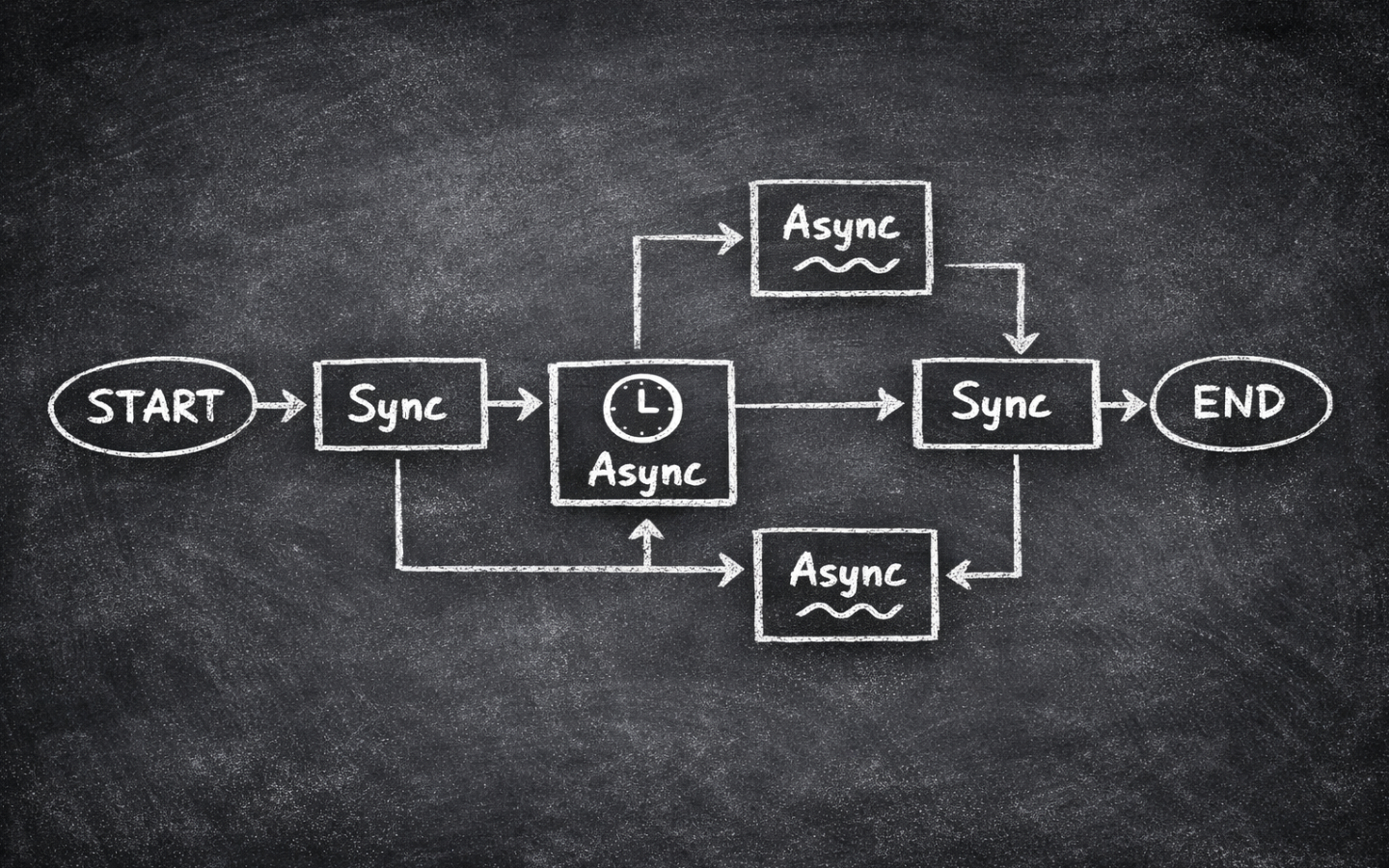
Using Async Effectively in LangGraph
Scaling LangGraph workflows for real-time web applications requires transitioning from synchronous graph calls to fully asynchronous execution.
Leveraging TL;DR
TL;DR — Quick Summary & Key Takeaways
ainvoke(), astream(), and async tool definitions unlocks …
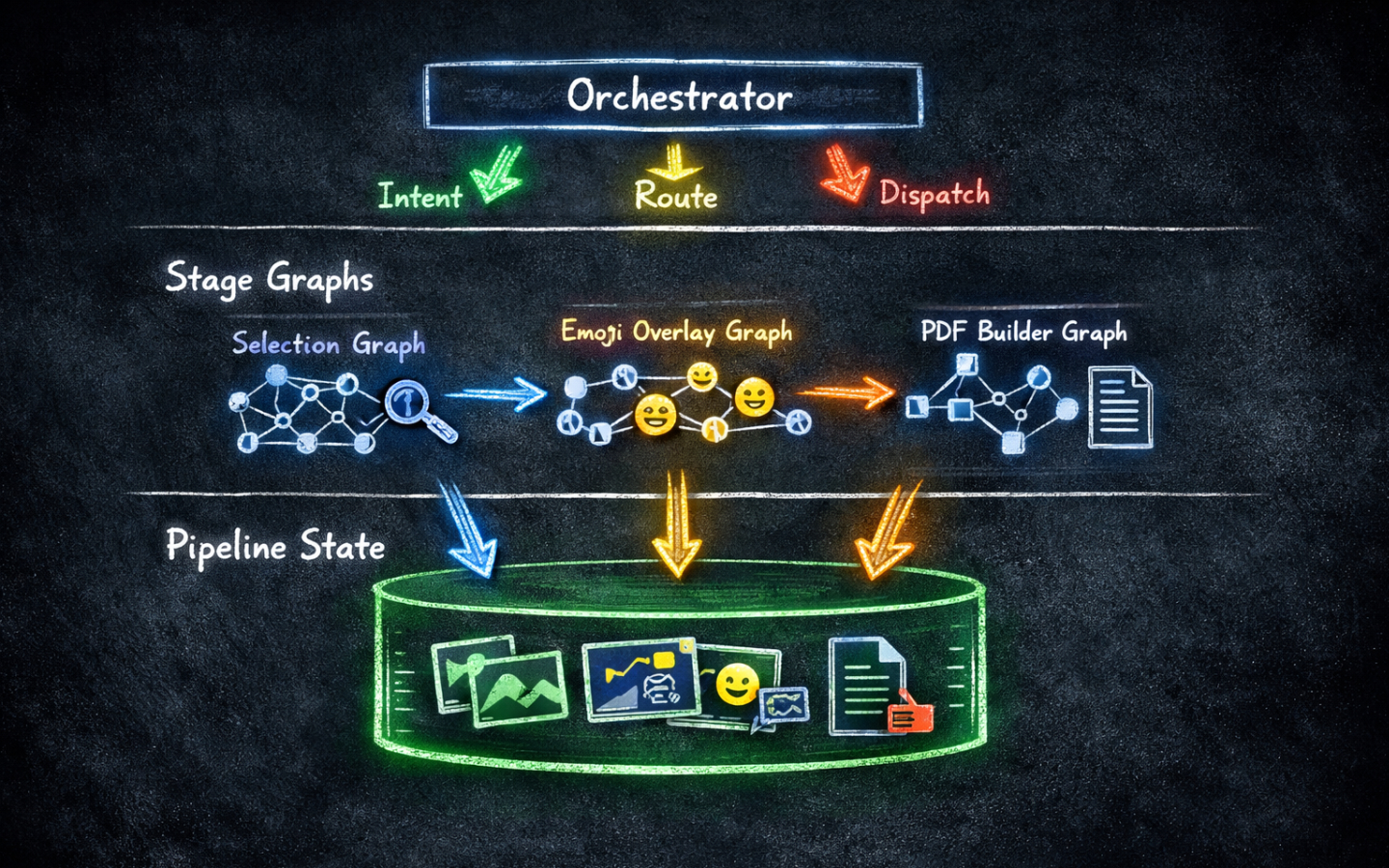
Building a Pipeline in LangGraph
Monolithic agent graphs become difficult to reason about, debug, and test as workflow stages multiply.
Composing separate, specialized LangGraph graphs into a multi-stage pipeline provides clear operational …TL;DR
TL;DR — Quick Summary & Key Takeaways
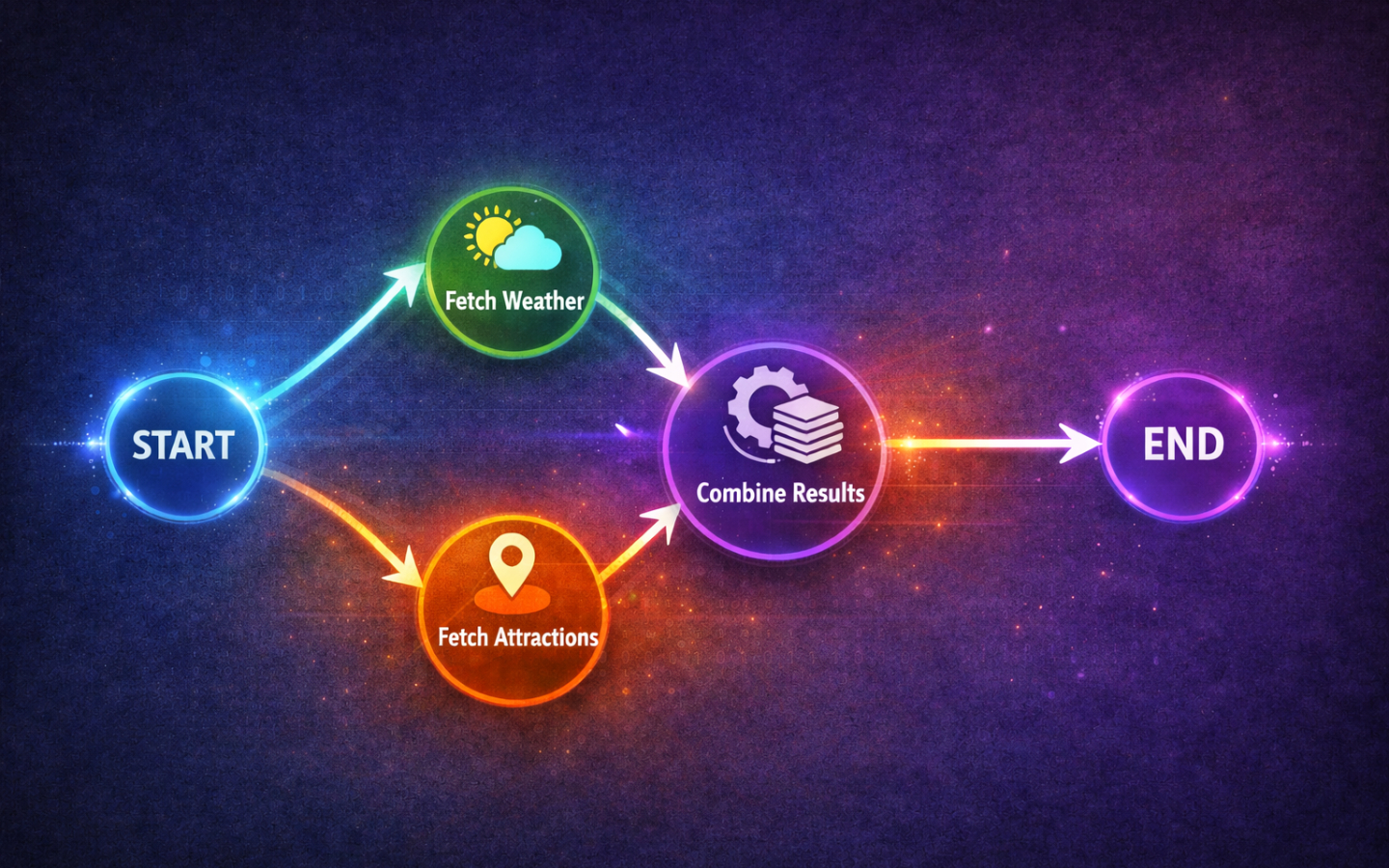
Concurrent Nodes in LangGraph
Executing independent LLM tasks sequentially introduces unnecessary latency into complex agentic workflows.
LangGraph enables parallel execution through fan-out and fan-in patterns, using state reducers to merge …TL;DR
TL;DR — Quick Summary & Key Takeaways

Using Tools in LangGraph
Connecting external functions to LangGraph gives LLMs the power to fetch live information, execute calculations, and interact with APIs.
Wiring tools using TL;DR
TL;DR — Quick Summary & Key Takeaways
ToolNode and MessagesState creates clean, cyclic agent …
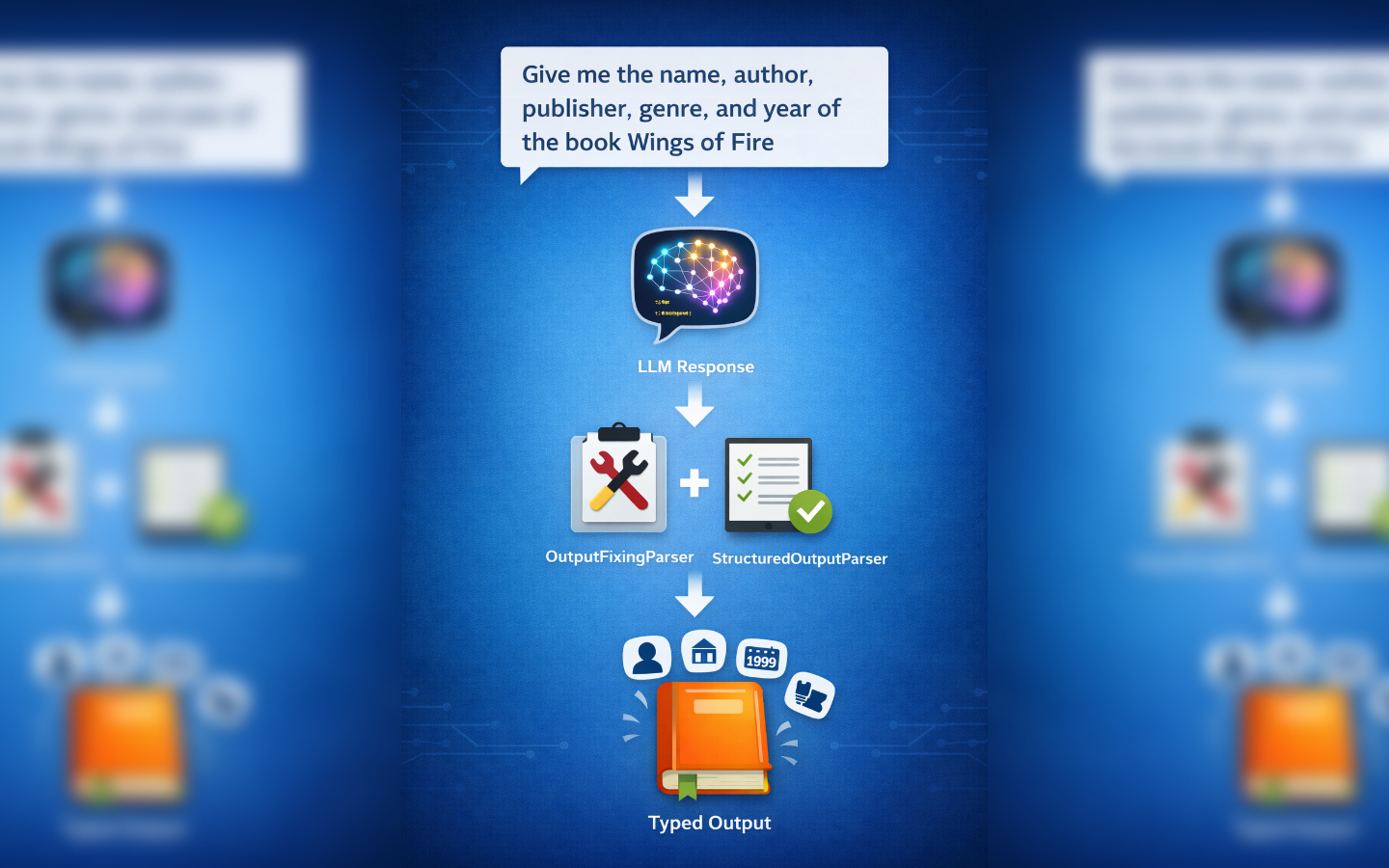
Structured Output in LangGraph
Unstructured free-form text from LLMs introduces brittle parsing errors into backend pipelines.
Leveraging LangGraph with Pydantic models and structured output functions enforces strict typing and reliable schema …TL;DR
TL;DR — Quick Summary & Key Takeaways
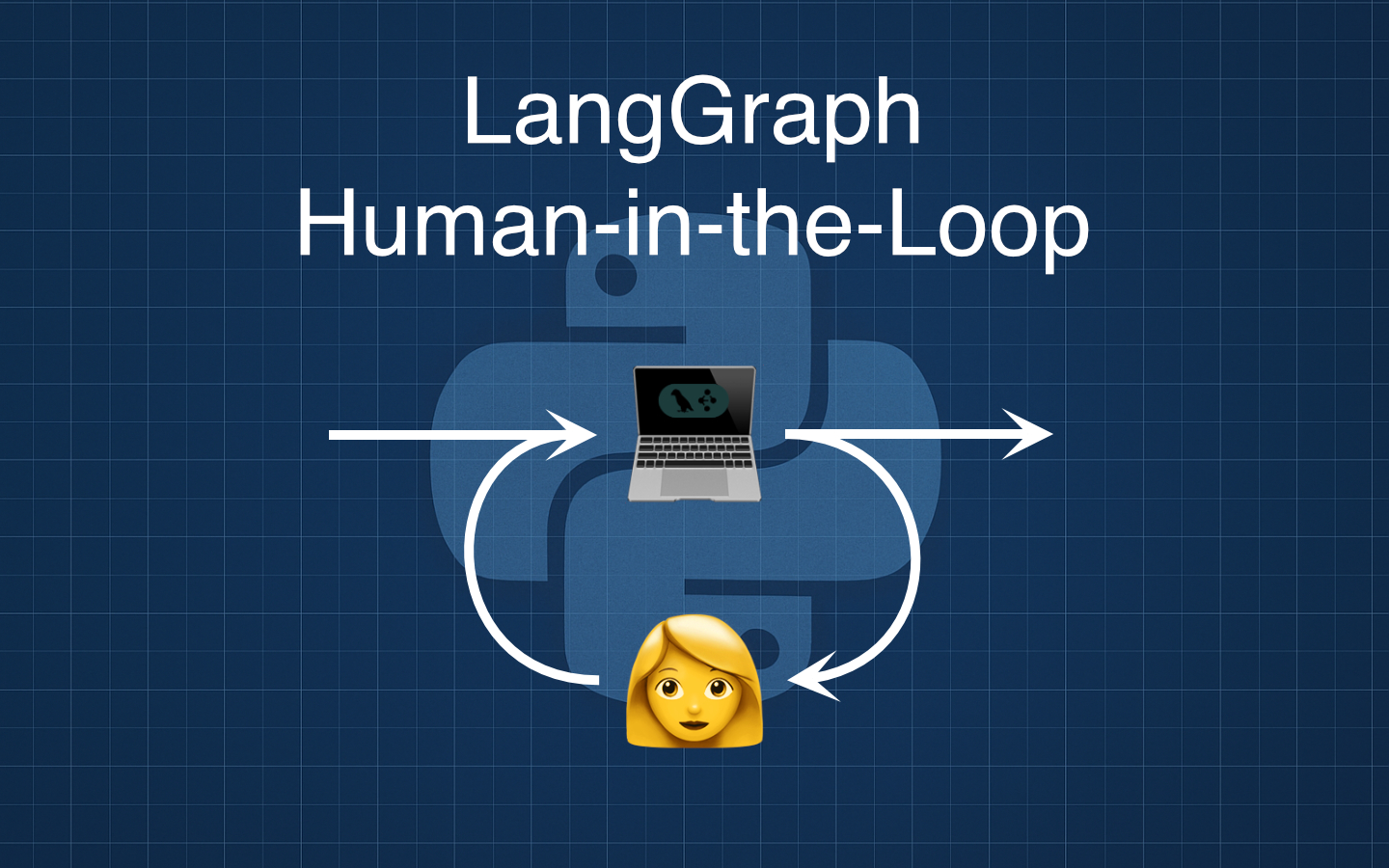
Pausing for Human Feedback in LangGraph
Adding a human-in-the-loop step to a LangGraph flow is an easy way to improve quality and control without adding branching or complexity. In this post we will build a tiny three-node graph that drafts copy with an LLM, pauses for human feedback, and then revises the draft, using LangGraph’s …
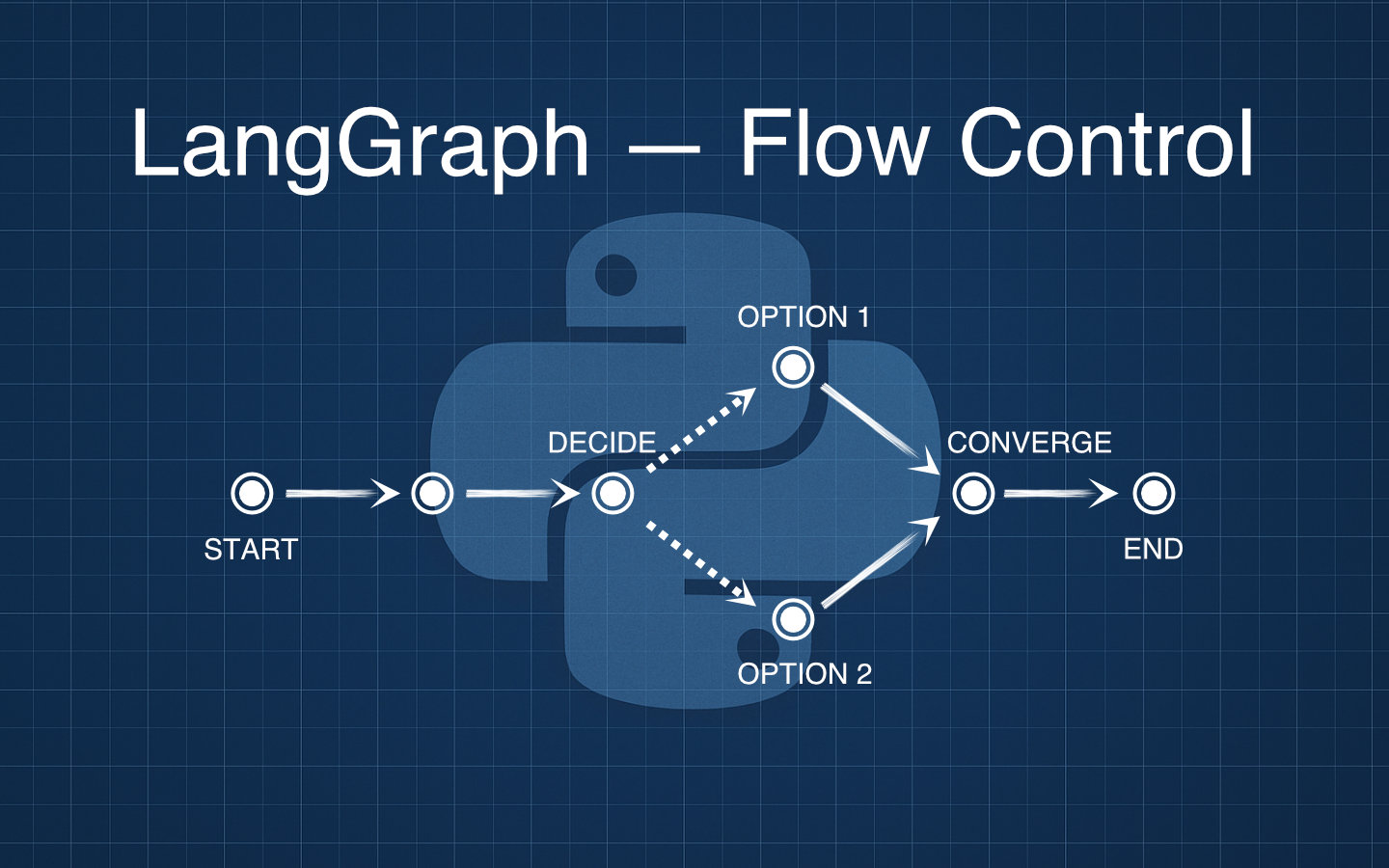
Controlling flow with conditional edges in LangGraph
Conditional edges let your LangGraph apps make decisions mid-flow, so today we will branch our simple joke generator to pick a pun or a one-liner while keeping wrap_presentation exactly as it was.
In the previous post we built a two-node graph with joke_writer and wrap_presentation, and now we will …
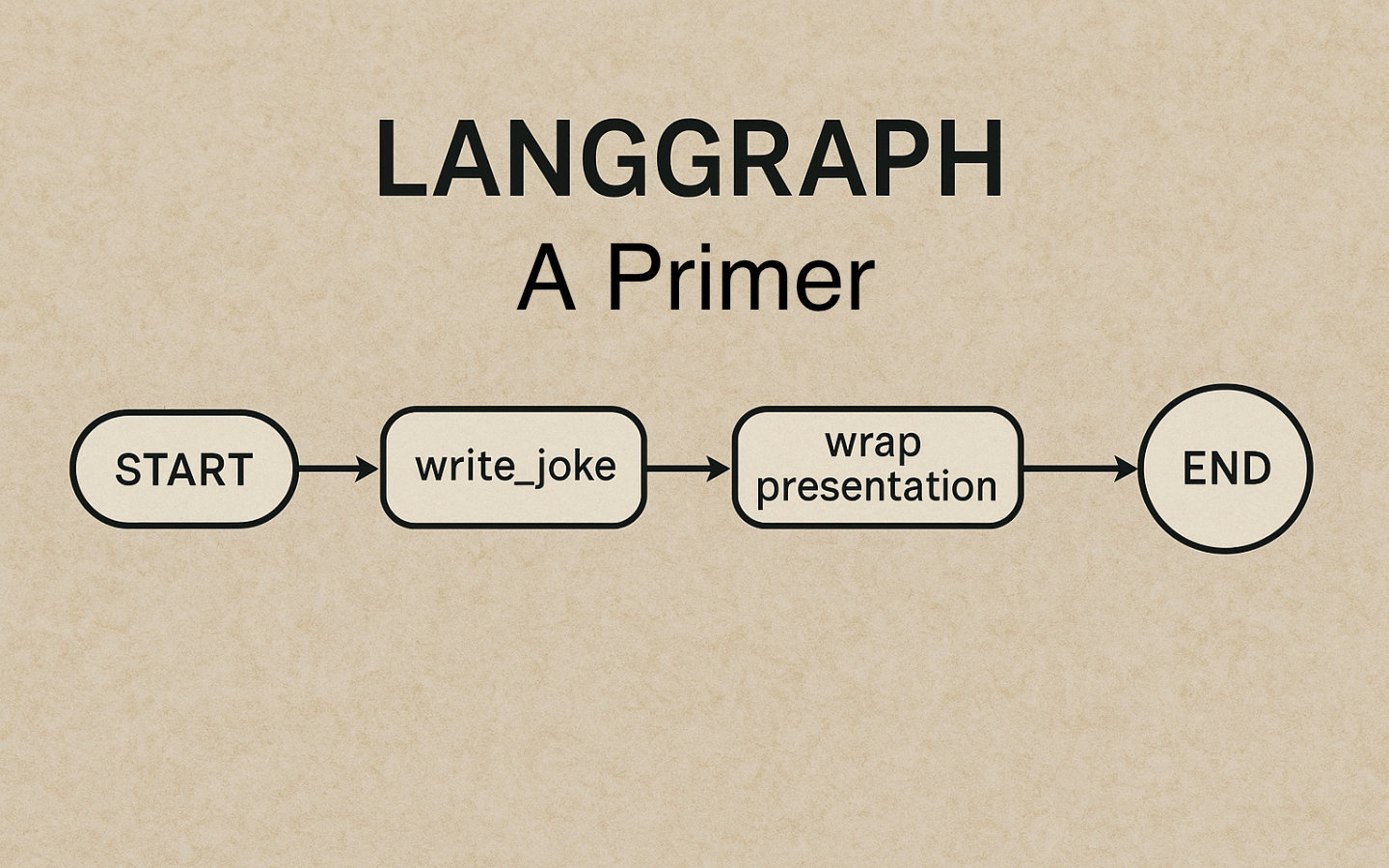
A Primer in LangGraph
LangGraph makes it easy to wire simple, reliable LLM workflows as graphs, and in this post we will build a tiny two‑node graph that turns a topic into a joke and then formats it as a mini conversation ready to display or send.
By the end, you will have a minimal Python project with a typed JokeState …