Agentic AI

Using Tools in LangGraph
LLMs are impressive, but they are limited to the knowledge baked in at training time and can’t take actions in the world on their own. Tools are what change that. By giving an LLM access to tools, you turn it from a system that is frozen in time into an agent that can look up live data, run …
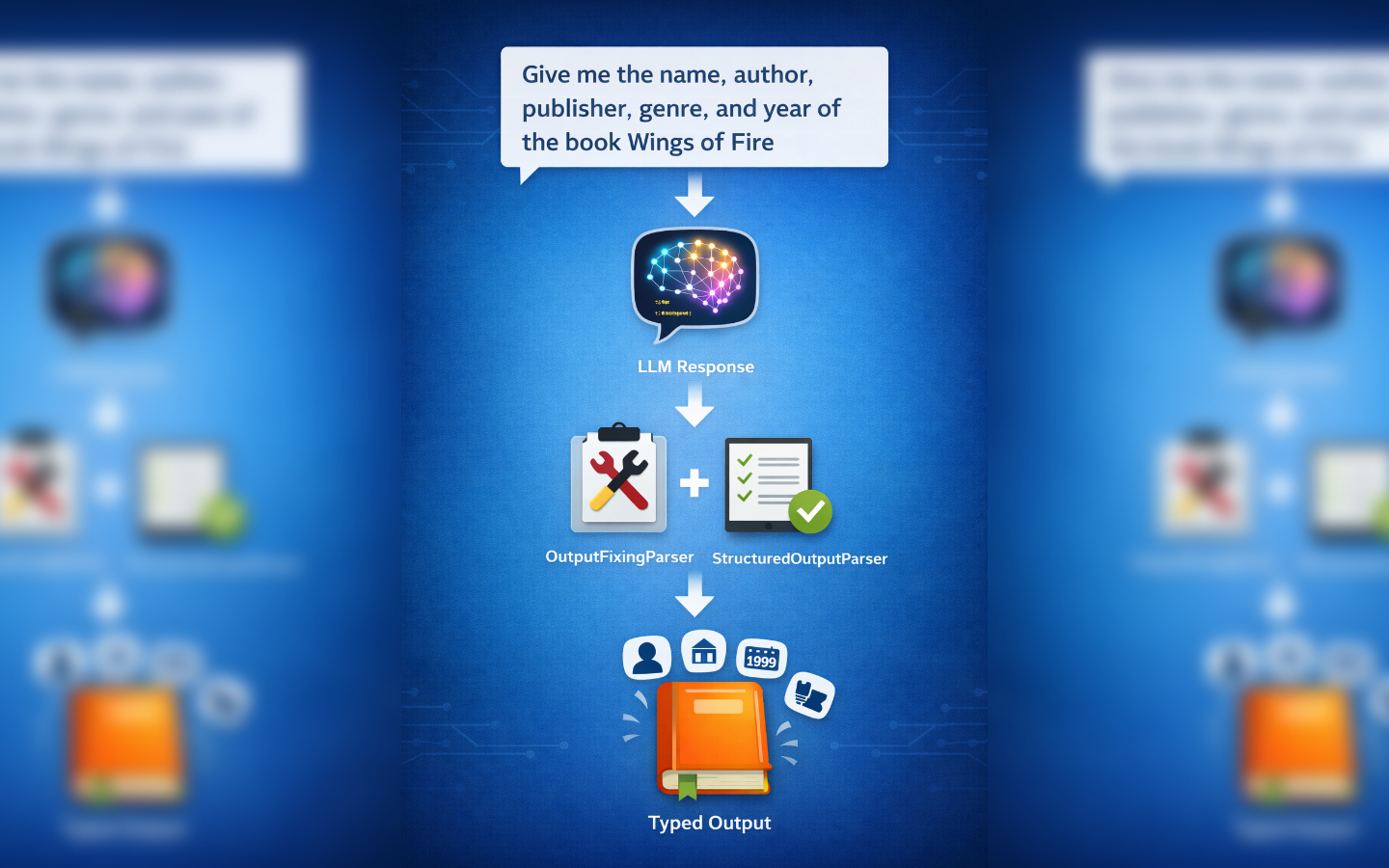
Structured Output in LangGraph
Large language models are incredibly versatile, but when your code depends on predictable data structures, free‑form text can be a headache. The same information can be expressed in countless ways, making downstream processing error-prone. Structured output bridges this gap: by defining a schema, …
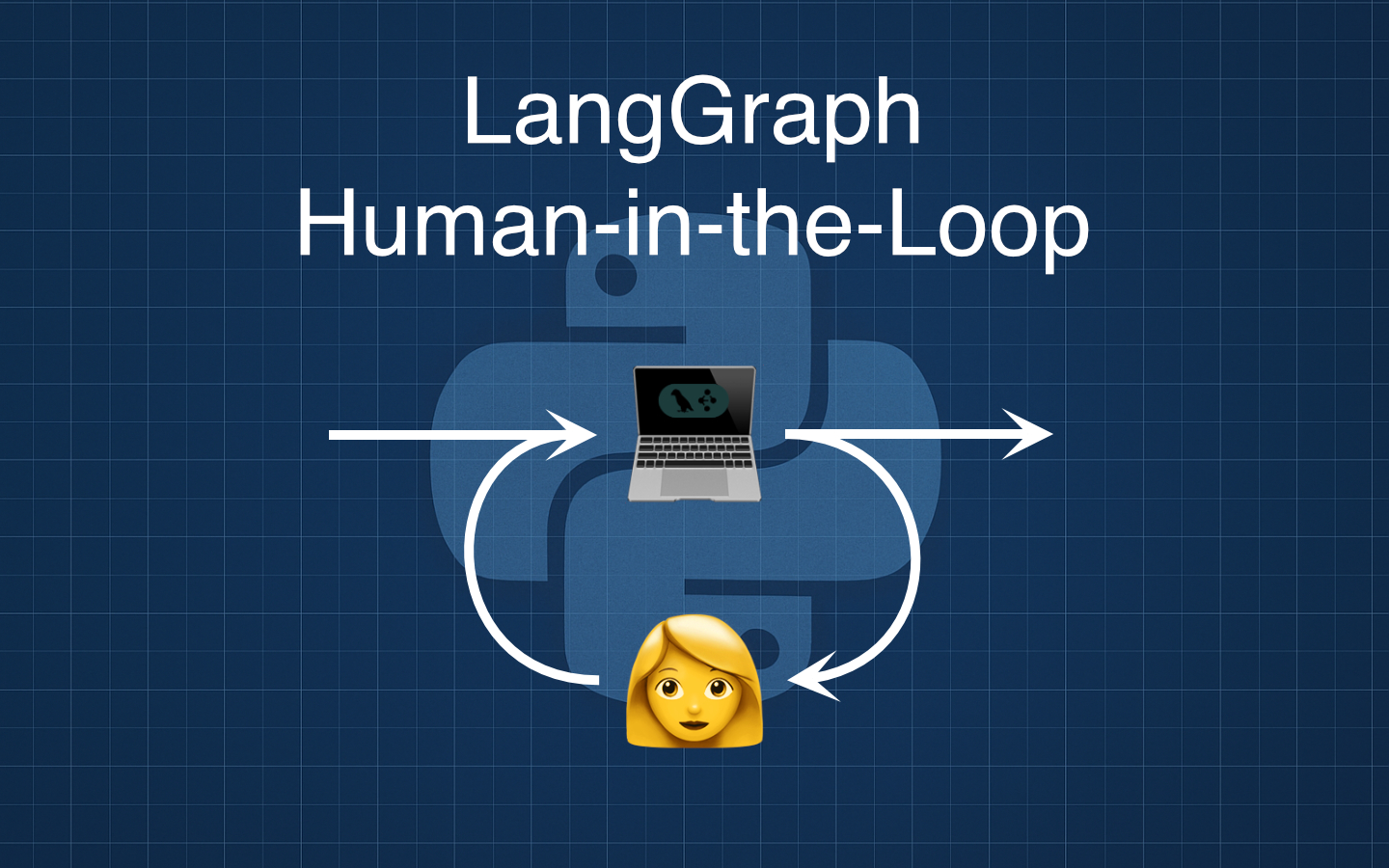
Pausing for Human Feedback in LangGraph
Adding a human-in-the-loop step to a LangGraph flow is an easy way to improve quality and control without adding branching or complexity. In this post we will build a tiny three-node graph that drafts copy with an LLM, pauses for human feedback, and then revises the draft, using LangGraph’s …
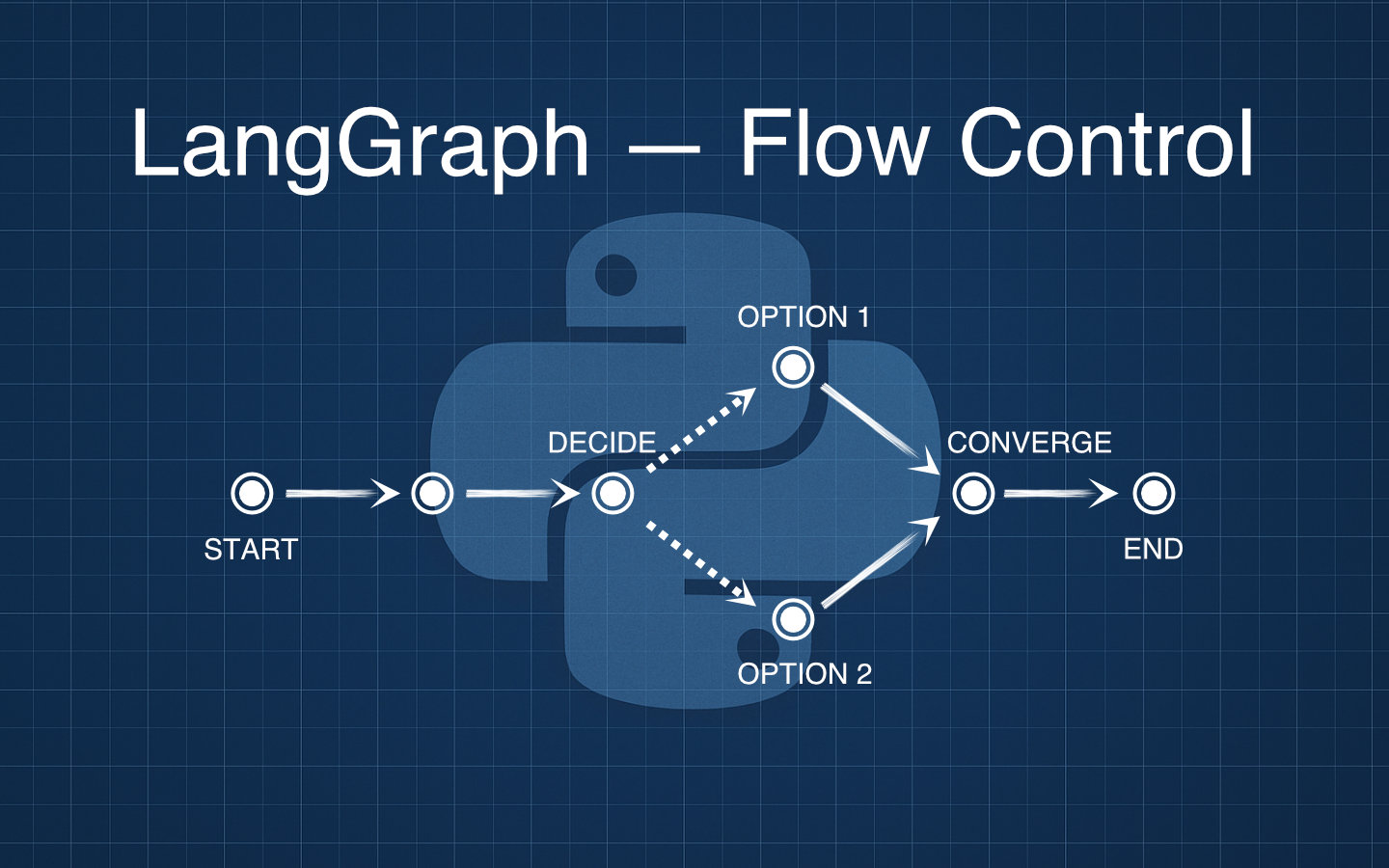
Controlling flow with conditional edges in LangGraph
Conditional edges let your LangGraph apps make decisions mid-flow, so today we will branch our simple joke generator to pick a pun or a one-liner while keeping wrap_presentation exactly as it was.
In the previous post we built a two-node graph with joke_writer and wrap_presentation, and now we will …
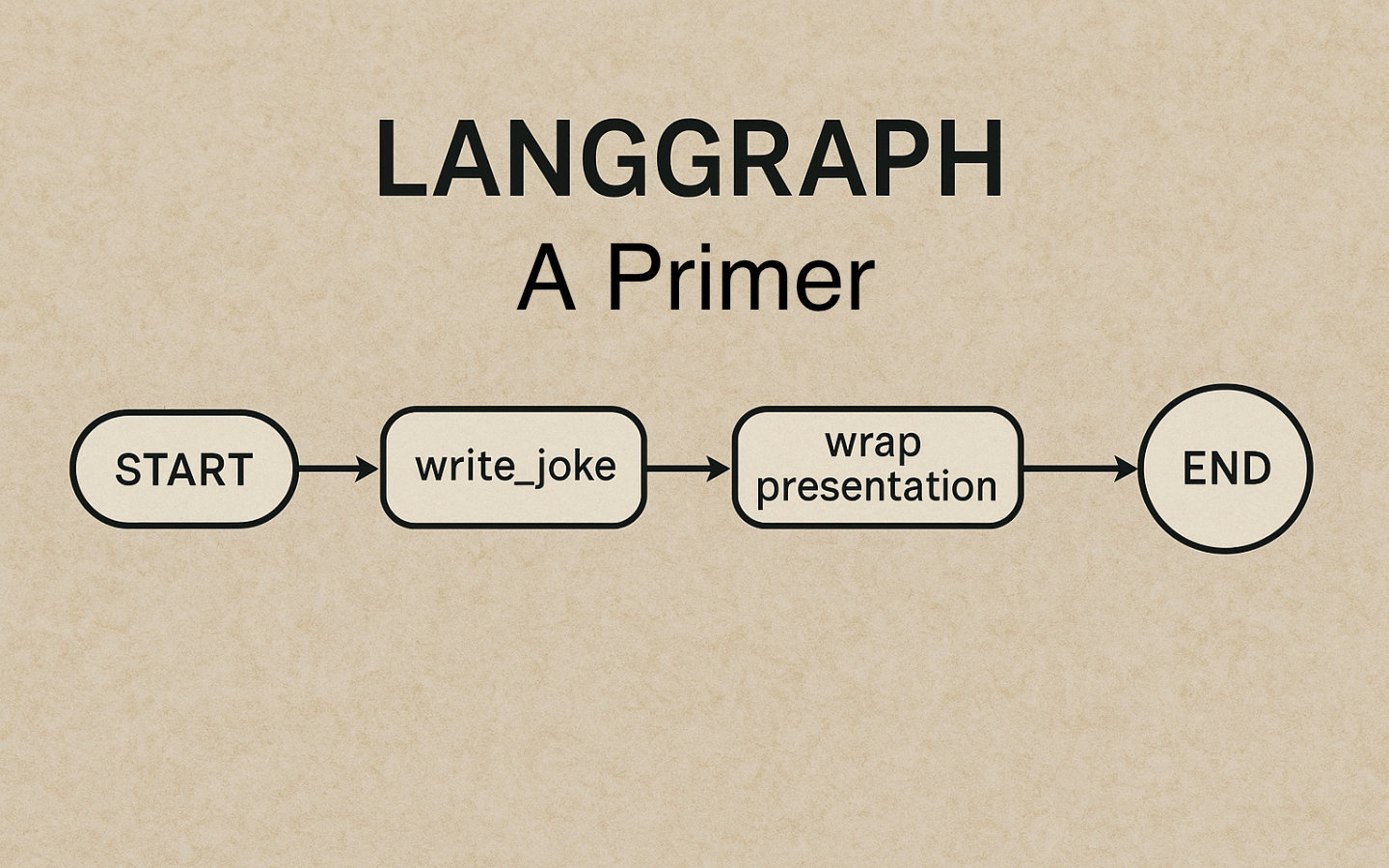
A Primer in LangGraph
LangGraph makes it easy to wire simple, reliable LLM workflows as graphs, and in this post we will build a tiny two‑node graph that turns a topic into a joke and then formats it as a mini conversation ready to display or send.
By the end, you will have a minimal Python project with a typed JokeState …
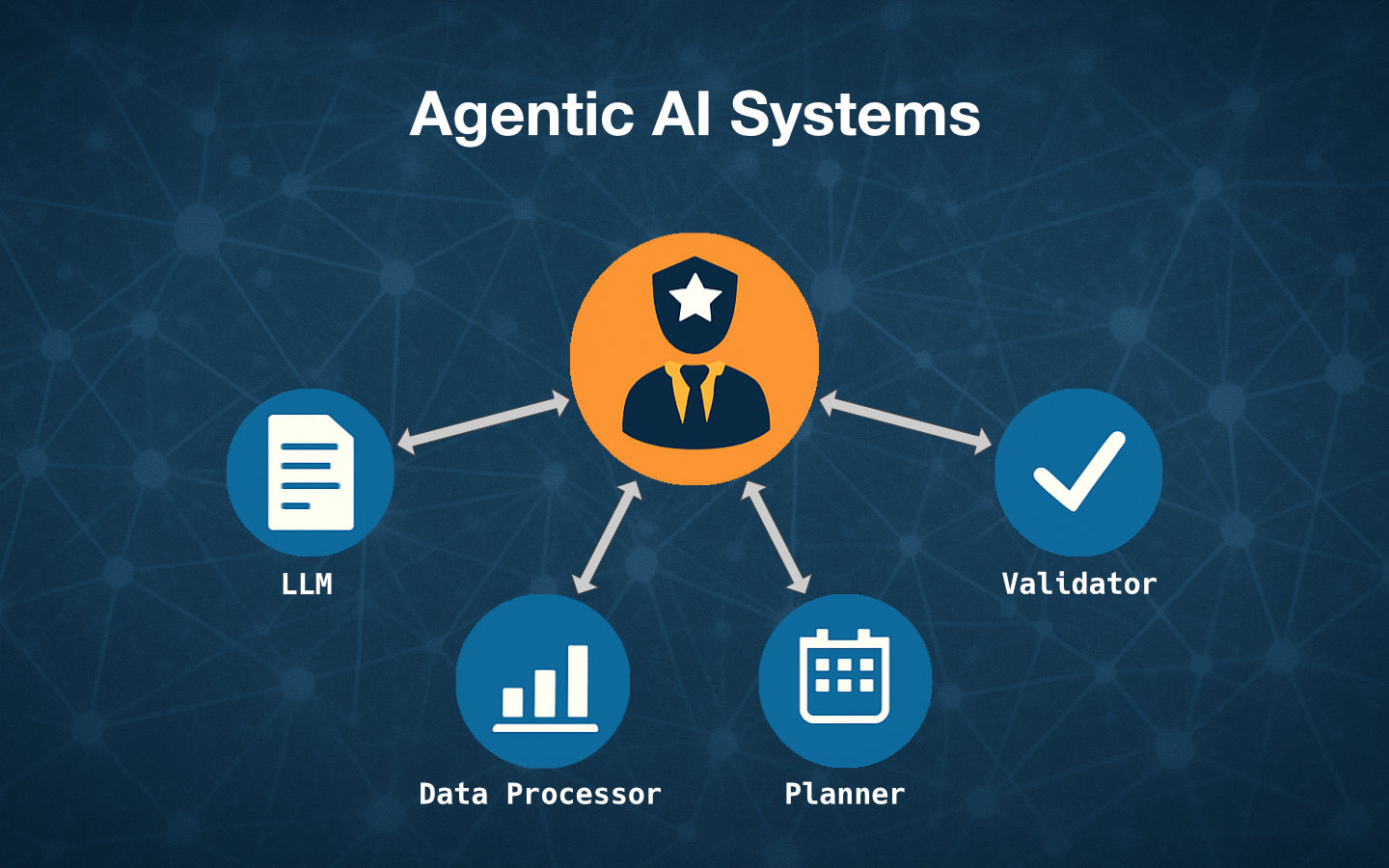
Using Agentic AI to Get the Most from LLMs
Agentic AI represents a generational leap forward in how artificial intelligence systems operate, moving beyond single, monolithic models to autonomous, goal-oriented agents.
If you missed it, my previous article on how LLMs work under the hood lays the foundation for how large language models …