Blog Posts
I try to post new content every week. The search bar above can help you find what you’re looking for.
You may also find the following links useful:
2026 • 2025 • Tags

Building Agentic System Tools with FastMCP and Python
If you have spent any time building agentic systems recently, you have likely encountered the integration bottleneck. Connecting large language models (LLMs) to local tools, internal databases, or system utilities has historically meant writing custom APIs for every single integration. This …

Building Modern APIs with FastAPI and Python
If you’re starting a new Python backend project today, you’re almost certainly going to use FastAPI. It has rapidly displaced older frameworks to become the industry standard for API development. The reasons are simple: it’s fast, it embraces modern Python type hints, and it does …

Board Game Reviews: Mists Over Carcassonne
Carcassonne is one of those games that’s been on countless family shelves for over two decades, building cities and stealing roads from one another with cheerful ruthlessness. Mists Over Carcassonne takes that familiar tile-laying foundation and does something unexpected with it: it turns you …
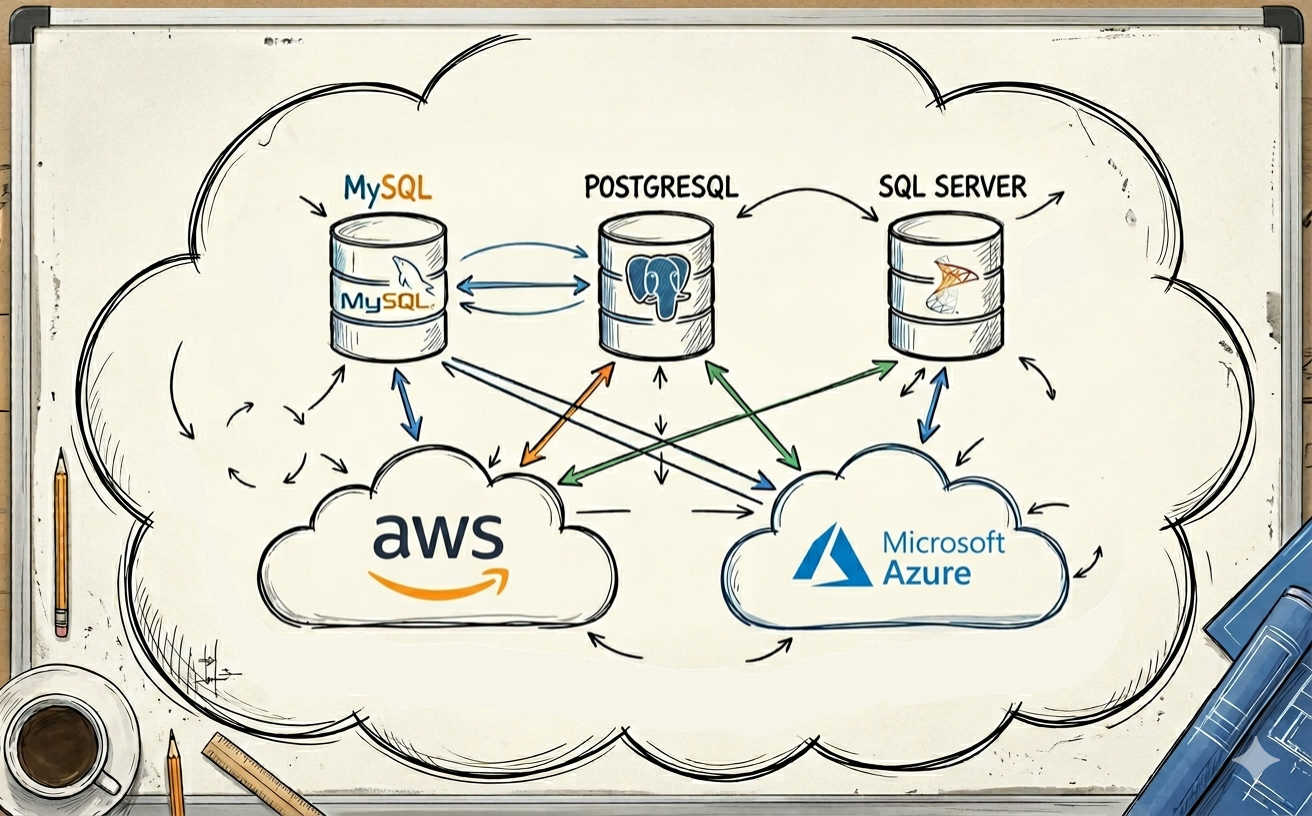
MySQL, PostgreSQL, and SQL Server: Choosing the Right Relational Database
If you’ve been building software for any length of time, you’ve almost certainly worked with at least one relational database. There’s a good chance it was MySQL, PostgreSQL, or SQL Server. All three can store rows, run queries, and handle transactions, so it’s tempting to …
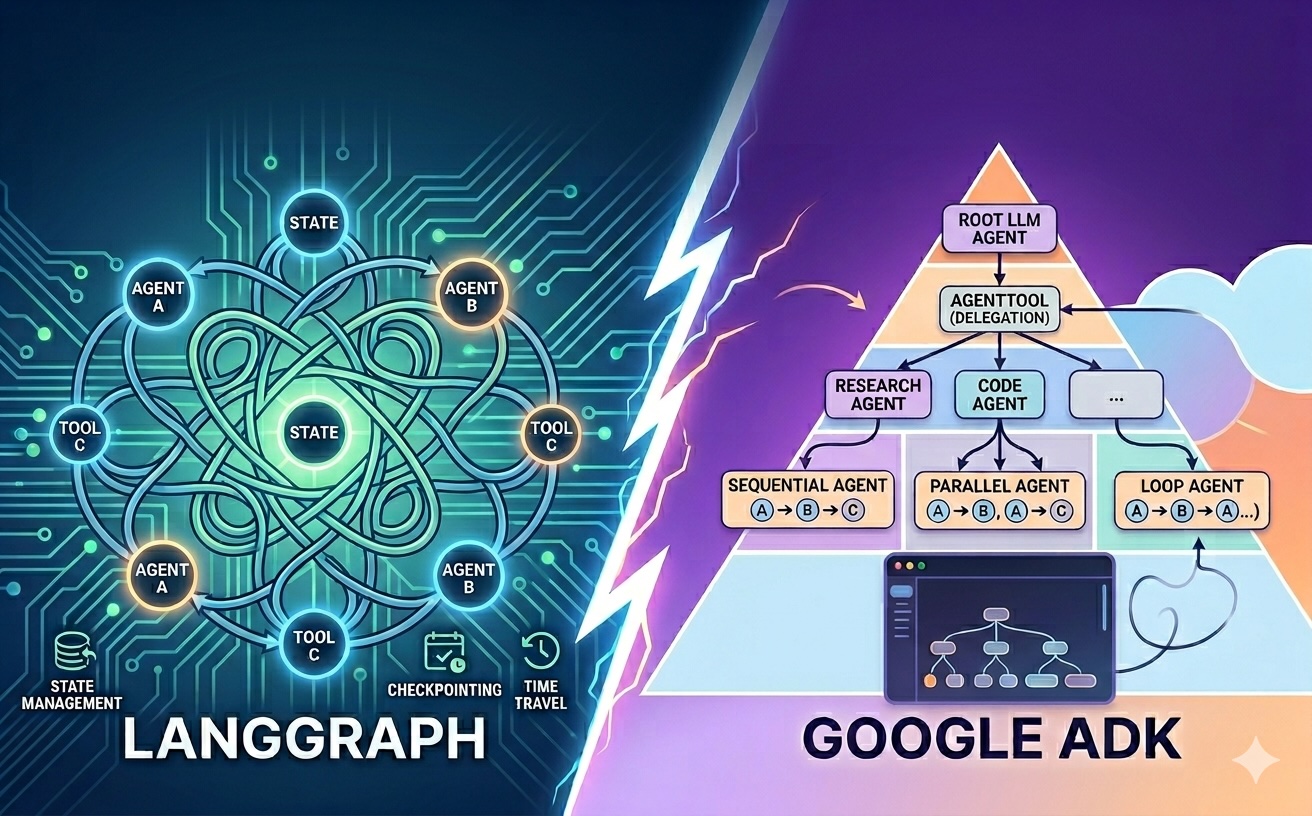
Beyond Graphs: An Introduction to Google's Agent Development Kit (ADK)
If you’ve spent any time building agentic systems lately, you’re likely familiar with LangGraph. It’s a powerful framework that treats agents as nodes in a graph, connected by edges that define the flow of execution and state. It’s robust, explicit, and extremely capable …

Streaming State and Tokens in LangGraph
If you’ve been following the earlier posts in this series, you’ll have built graphs that gather data, call tools, and produce structured output. Every one of those examples used .invoke(), which means the caller waits in silence until the entire graph finishes and then receives the …
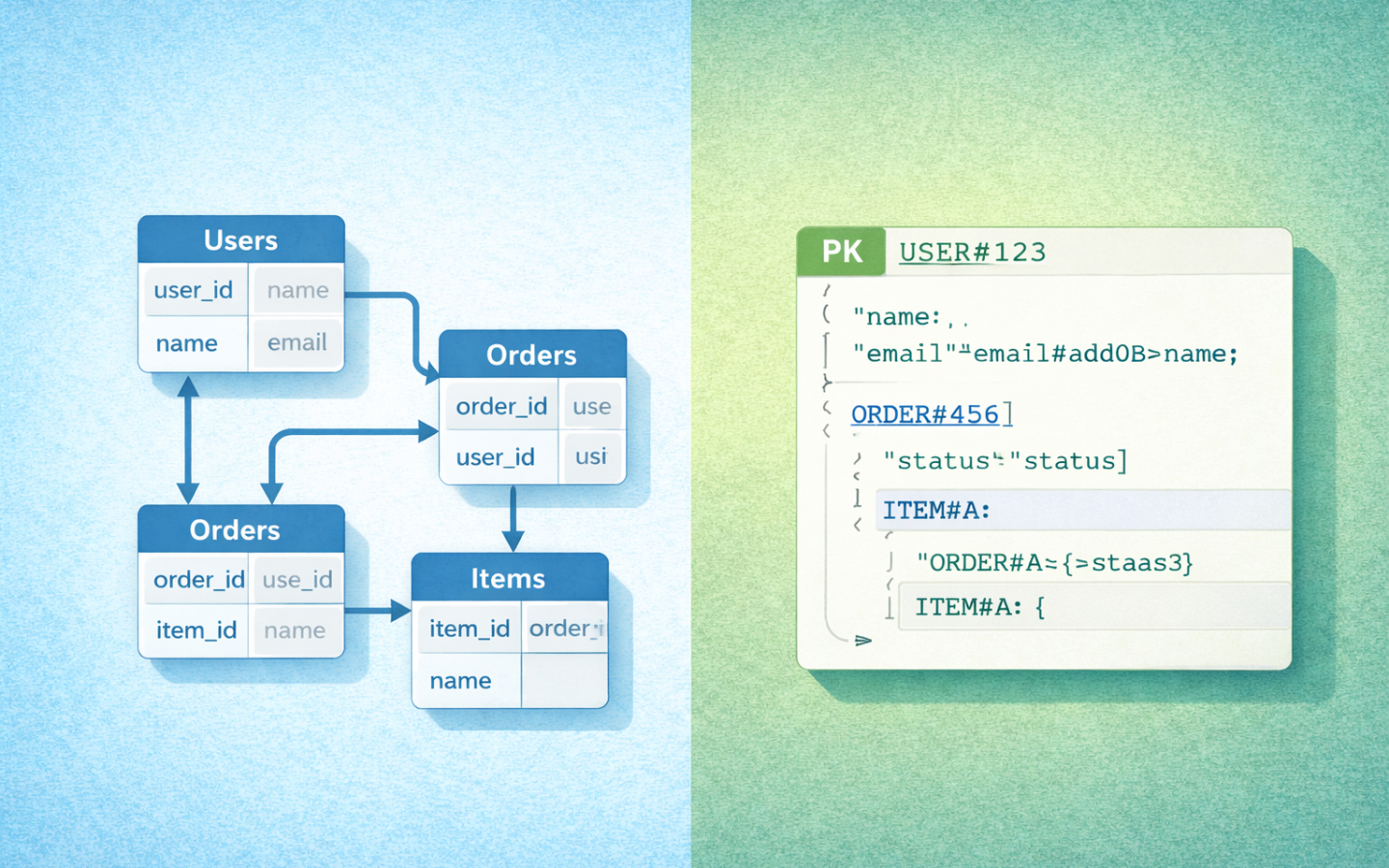
Why DynamoDB Feels Magical Until You Learn the Trade-Offs
The first time I looked at DynamoDB, it felt like a golden unicorn. It promised fast access, huge scale, and very little operational effort. If you’re already building on AWS, it also feels like the natural choice because it fits so neatly into the rest of the platform. Then the catch becomes …
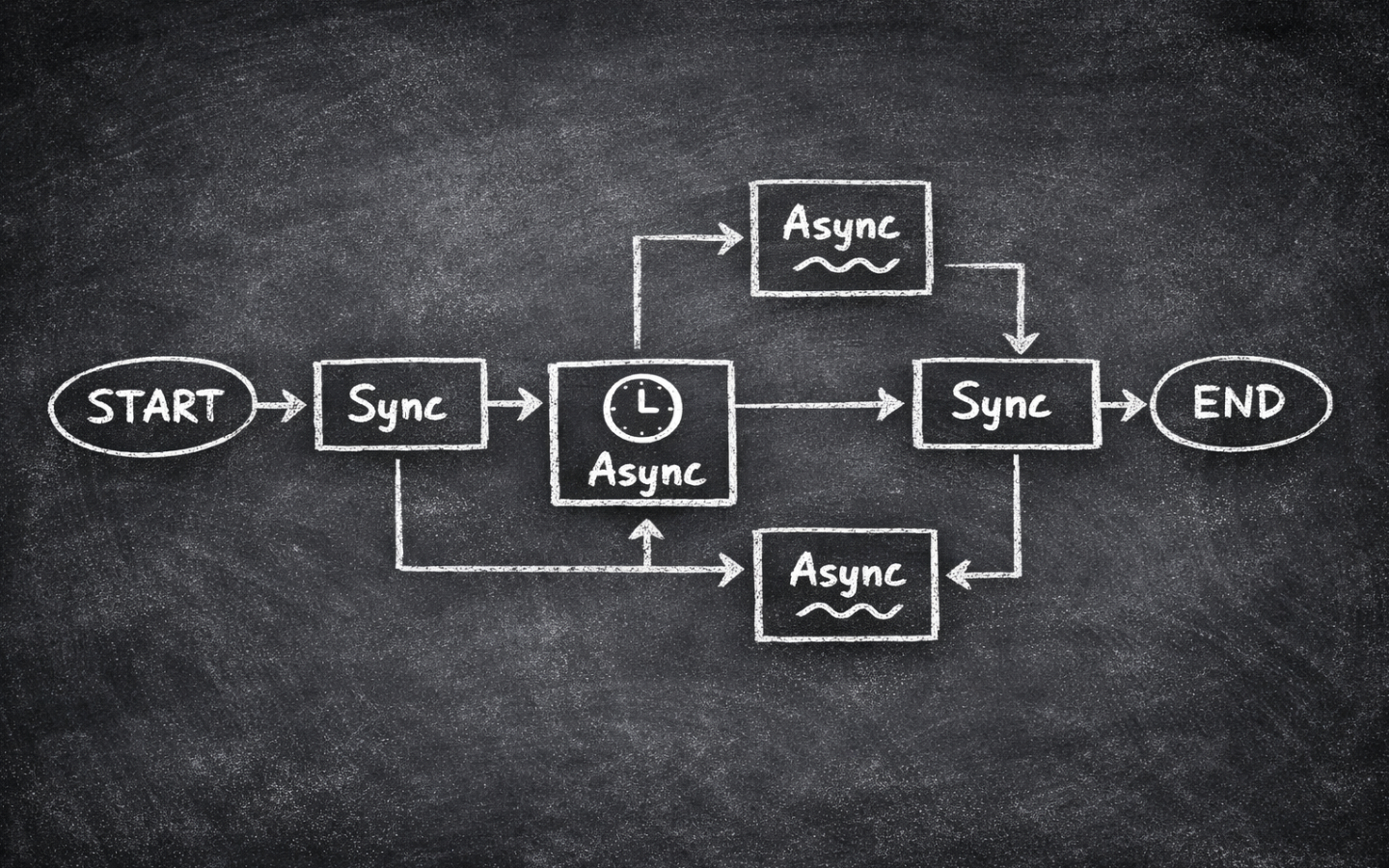
Using Async Effectively in LangGraph
In Seven Tips for Performant Async Python I focused on plain asyncio. That’s the right place to start, because LangGraph doesn’t replace Python’s event loop or make blocking code magically concurrent. If an async LangGraph node calls a blocking library, the graph still waits. If …

Regicide: A Fiendishly Fun Cooperative Card Game
Cooperative card games live and die on one question: does every player feel useful? Regicide answers with a confident yes, and it does so with rules you can teach in five minutes and depth that keeps you coming back long after you have won your first game. Whether you are playing solo or with a …
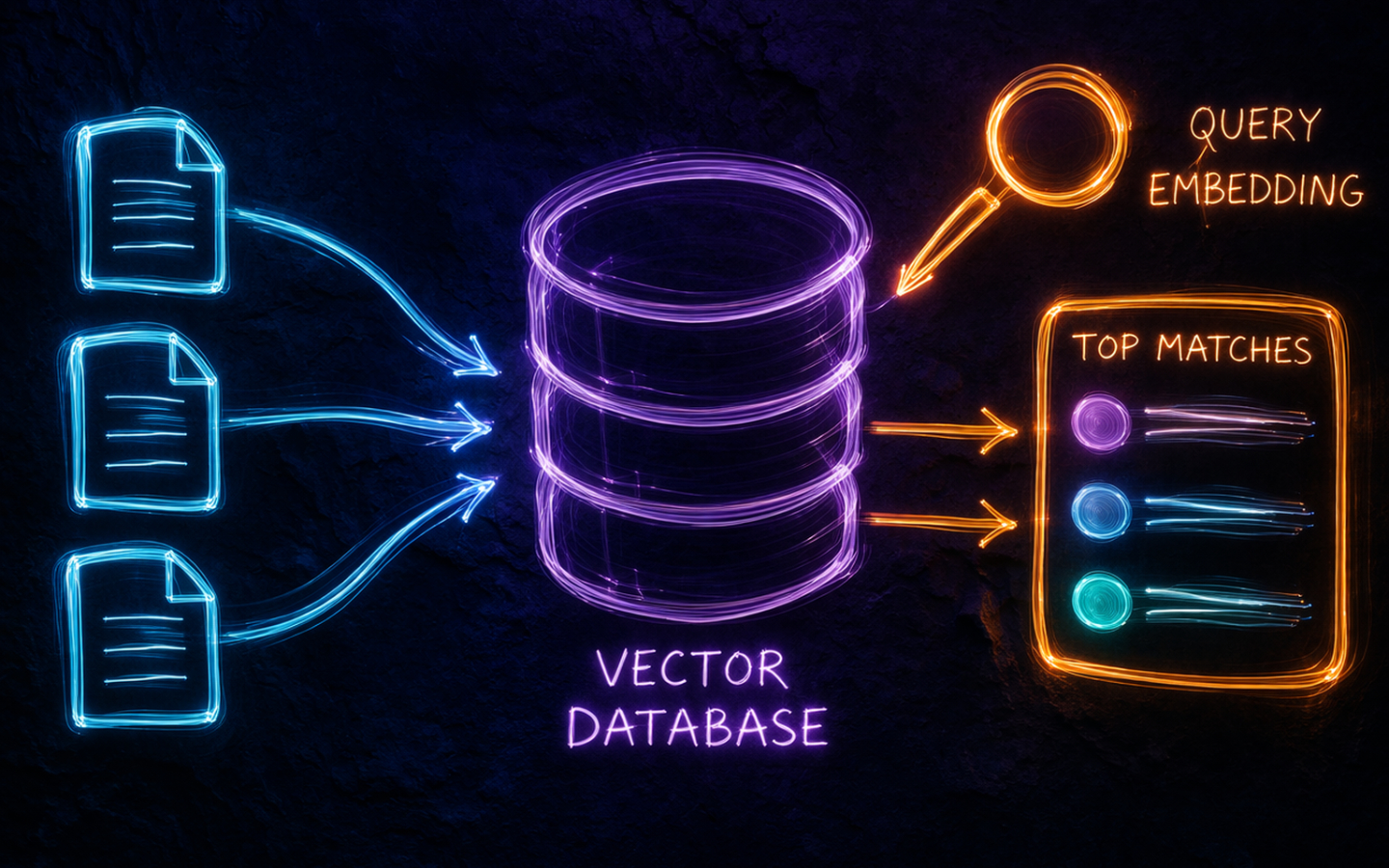
Vector Databases: What They Are and How To Use Them
In an earlier post we generated embeddings and searched them by computing cosine similarity across a small in-memory list. That approach is perfect for learning and prototyping, but it doesn’t scale. When your corpus grows to hundreds of thousands or millions of documents, iterating over …

Seven Tips for Performant Async Python
Adding async and await to a Python function feels like an easy win. You’ve heard it makes code faster, so you sprinkle the keywords in, run your program, and it seems to work. But async Python has a habit of looking correct while quietly running no better or even worse than the synchronous …
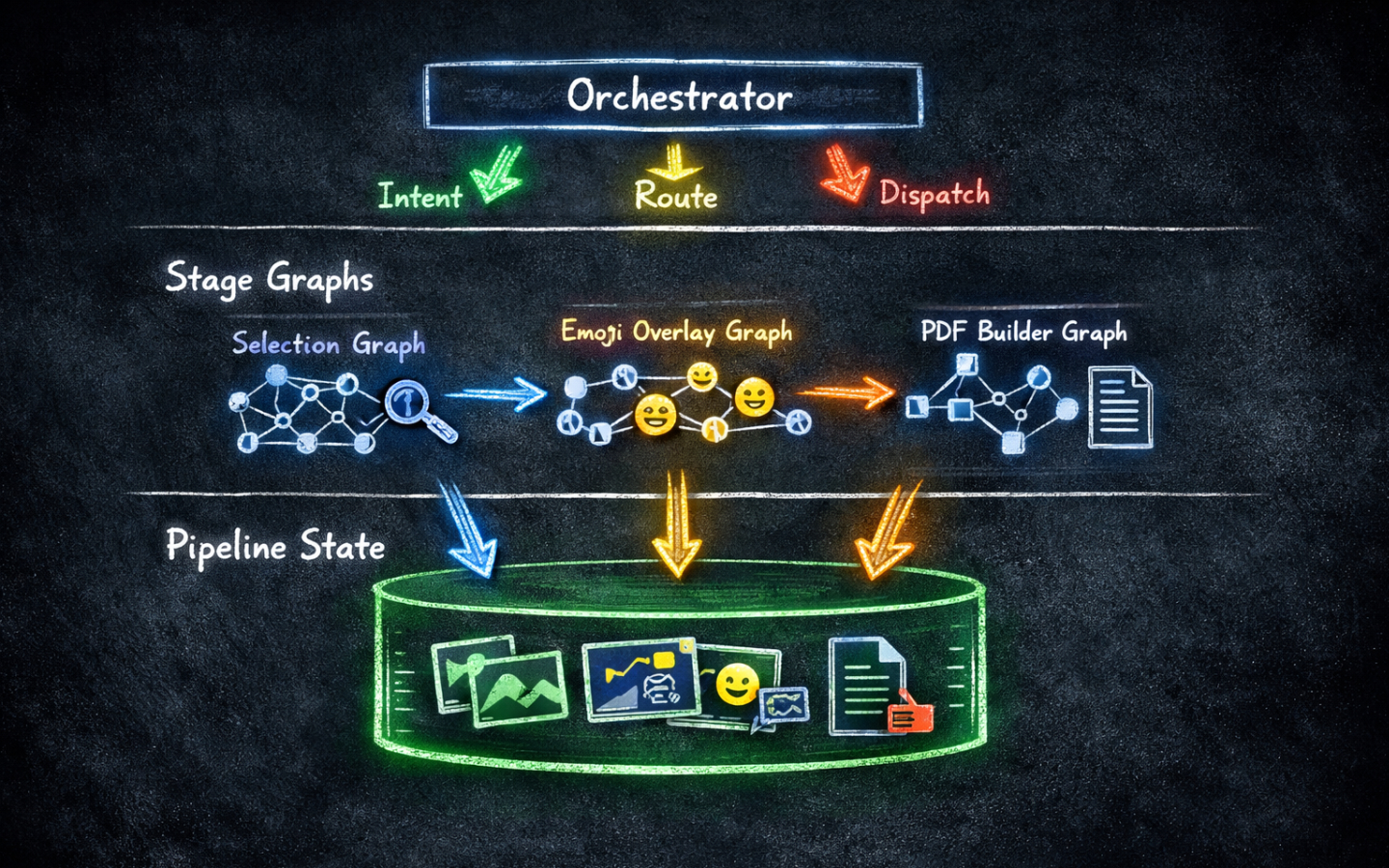
Building a Pipeline in LangGraph
The earlier posts in this series built self-contained graphs: one graph, one task, one run. But real workflows often span multiple stages, where each stage produces output that the next stage needs. The pipeline pattern I describe here isn’t an official LangGraph pattern — it’s an …